
Still relying on just one cleanser? Learn why micellar and foaming cleansers target different skin needs—and work better together.
Key Highlights: Micellar Water vs Foaming Cleanser
- Micellar Water = Gentle Cleansing: Removes makeup, dirt, and impurities without rinsing or stripping the skin.
- Foaming Cleansers = Deep Clean: Effective for oily skin and heavy makeup but may cause dryness if overused.
- Both Have a Role: Micellar water is ideal for morning refresh or sensitive skin; foaming cleansers are best at night for thorough cleansing.
- Double Cleansing = Best of Both Worlds: Starting with micellar water and following with a gentle foaming cleanser ensures skin is truly clean without barrier damage.
- Routine Strategy Matters: Use micellar water for light cleansing, add foaming cleanser when skin needs a deeper clean, and adapt based on your skin type.
Table of Contents
The Cleansing Dilemma
Cleansing should be the simplest part of a skincare routine—yet it’s the one step most people get wrong.
Maybe you’ve used foaming cleansers that left your skin squeaky-clean but tight and flaky. Or maybe you’ve relied on micellar water or makeup wipes, only to discover leftover residue causing breakouts.
So, which is the better choice: micellar water or a foaming cleanser?
The truth is, it’s not about choosing one. It’s about understanding what each does best, and how your skin benefits most when you combine them strategically.
This article will break down:
- The science of cleansing and skin barrier health
- What micellar water is and why it’s so gentle
- How foaming cleansers work and why they’re still important
- Why many cleansers fail your skin
- The case for double cleansing
- How to build the right cleansing routine for your skin type
By the end, you’ll know exactly how to cleanse smarter—not harsher.
The Science of Cleansing: What Your Skin Actually Needs
Your skin is exposed to more than you realize:
- Pollution particles (smog, smoke, dust)
- Sweat and excess oil (sebum buildup)
- Sunscreen and makeup (often water-resistant)
- Dead skin cells (naturally shed daily)
A cleanser’s job is simple: remove what doesn’t belong without damaging what does.
What your skin needs to keep:
- Natural lipids (ceramides, fatty acids, cholesterol)
- Healthy bacteria (microbiome balance)
- A stable pH
The danger of harsh cleansing:
- Strips skin of protective oils → barrier damage
- Triggers oil rebound → greasy T-zone and breakouts
- Causes redness, stinging, or long-term sensitivity
- Leaves micro-tears in the skin barrier that accelerate aging
The bottom line: Effective cleansing is about balance—not just about how “clean” your skin feels.
What Is Micellar Water, Really?
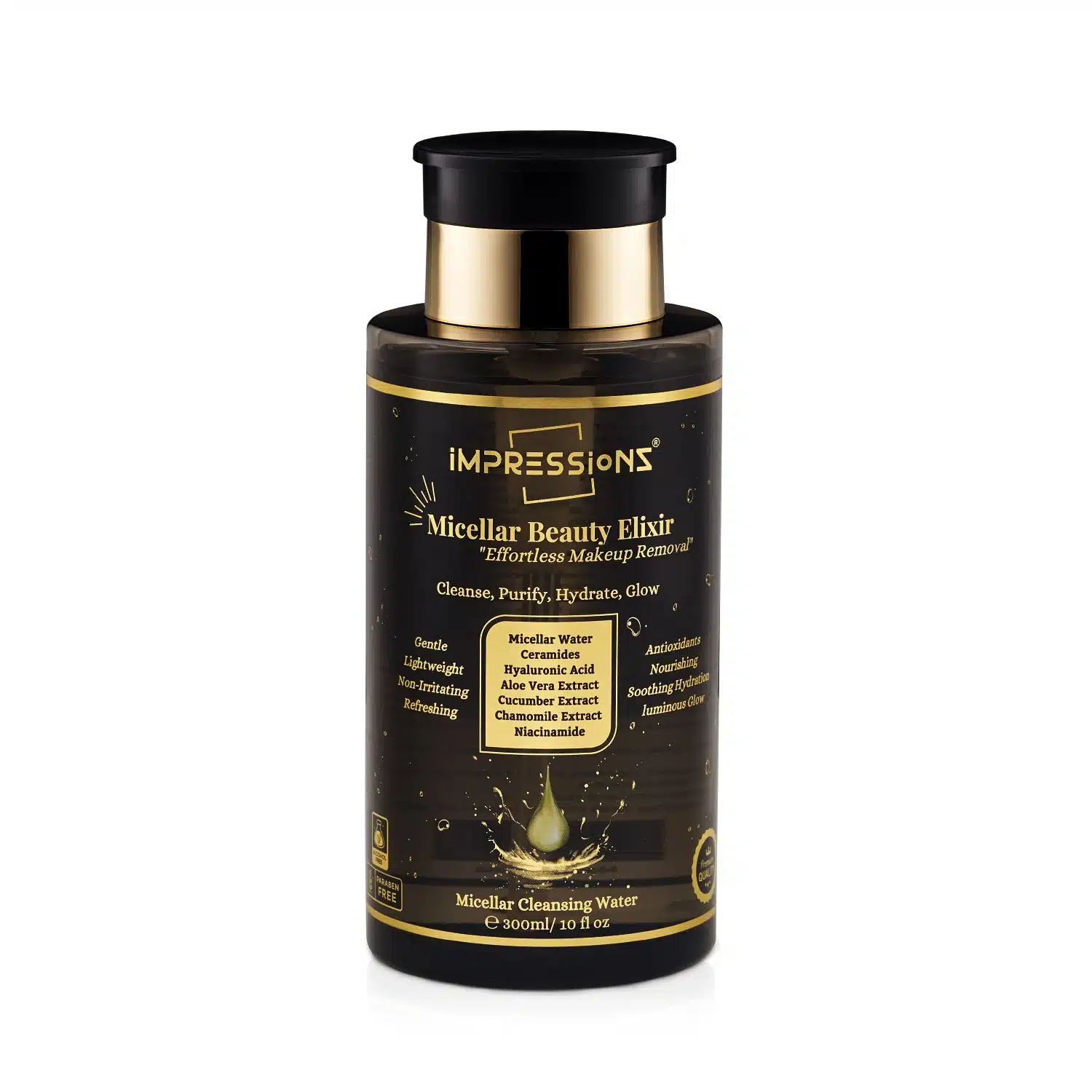
Micellar water looks like plain water, but inside are micelles—tiny clusters of mild surfactant molecules suspended in purified water.
How it works:
- Micelles attract and trap oil, dirt, and makeup like magnets.
- They lift impurities without scrubbing or foaming.
- No rinsing required—making it especially gentle.
Benefits of Micellar Water:
- No harsh rubbing → reduces irritation.
- No rinse → avoids tap water minerals that may dry skin.
- Hydrating → often infused with glycerin, panthenol, or aloe.
- Suitable for all skin types, especially sensitive or dry.
- Travel-friendly and time-saving.
Limitations:
- May not fully remove heavy foundation or water-resistant sunscreen in one swipe.
- Works best as a first cleanse rather than the only cleanse.
In short: Micellar water is a gentle but powerful prep step—perfect for removing the day’s surface grime.
What Are Foaming Facial Cleansers?
Foaming cleansers are water-based face washes that use mild detergents to remove deeper oil, sweat, and impurities. They’re a staple in many routines—but also the most misunderstood.
How they work:
- Surfactants (like sodium cocoyl isethionate or coco-glucoside) bind to oil and debris.
- Water rinses them away, leaving a fresh finish.
Types of Foaming Cleansers:
- Traditional sulfate-based: Strong but drying.
- Modern sulfate-free: Gentle, hydrating, barrier-safe.
- Gel cleansers: Lightweight, great for oily/combination skin.
- Creamy foaming cleansers: Hydrate while cleansing, ideal for normal/dry skin.
Benefits:
- Removes heavy makeup, SPF, and deep impurities.
- Prevents buildup that can cause clogged pores and acne.
- Leaves skin feeling refreshed and balanced when gentle formulas are used.
Risks:
- If too harsh, can strip natural oils and compromise barrier.
- Overuse may trigger dryness or oil rebound.
In short: Foaming cleansers are the “deep clean” step—essential, but must be chosen carefully.
Micellar Water vs. Foaming Cleansers: A Head-to-Head Comparison
| Feature | Micellar Water | Foaming Cleanser |
|---|---|---|
| Best For | Sensitive, dry, all skin types | Oily, combo, heavy makeup users |
| Removes Makeup | Yes (even waterproof, with effort) | Yes, but may need double cleanse |
| Irritation Risk | Very low | Medium (depends on formula) |
| Rinsing Needed | No | Yes |
| Barrier-Friendly | Yes | Variable |
| Portability | Excellent (no water needed) | Less convenient |
Why Many Cleansers Fail Your Skin
Despite being such a basic step, cleansing is where most routines fall apart.
Common mistakes include:
- Over-cleansing → using foaming cleansers twice daily with harsh surfactants.
- Using wipes only → loaded with alcohol and fragrance, causing redness.
- Skipping cleansing at night → SPF and pollution linger, clogging pores.
- Scrubbing aggressively → damages barrier and triggers inflammation.
The result? Skin that feels clean in the moment but develops breakouts, sensitivity, or premature aging over time.
Why You May Need Both: The Case for Double Cleansing
Dermatologists and estheticians increasingly recommend double cleansing—especially at night.
Step 1: Micellar Water
- Removes makeup, SPF, pollution particles, and surface oil.
Step 2: Gentle Foaming Cleanser
- Washes away residue and deeply purifies pores.
Why it works:
- Ensures no residue is left behind.
- Prevents clogged pores and acne.
- Leaves skin balanced and ready for serums/moisturizers.
- Reduces irritation compared to using a single harsh cleanser.
When double cleansing is essential:
- After wearing long-wear makeup or SPF.
- If you live in polluted urban areas.
- For oily/combination or acne-prone skin.
When single cleansing is enough:
- In the morning (micellar water alone).
- On no-makeup, no-SPF days (gentle foaming cleanser or micellar).
Pro Tip: Always follow with hydration and moisturizer to avoid barrier disruption.
Common Cleansing Mistakes (And How to Fix Them)
- ❌ Using only makeup wipes → Replace with micellar water.
- ❌ Foaming twice daily → Swap AM foam for micellar water.
- ❌ Hot water rinses → Use lukewarm or skip rinse with micellar.
- ❌ Overloading on actives after harsh cleansers → Choose gentle cleansing first.
ImpressionZ® Cleansing Philosophy
At ImpressionZ®, our approach is barrier-first:
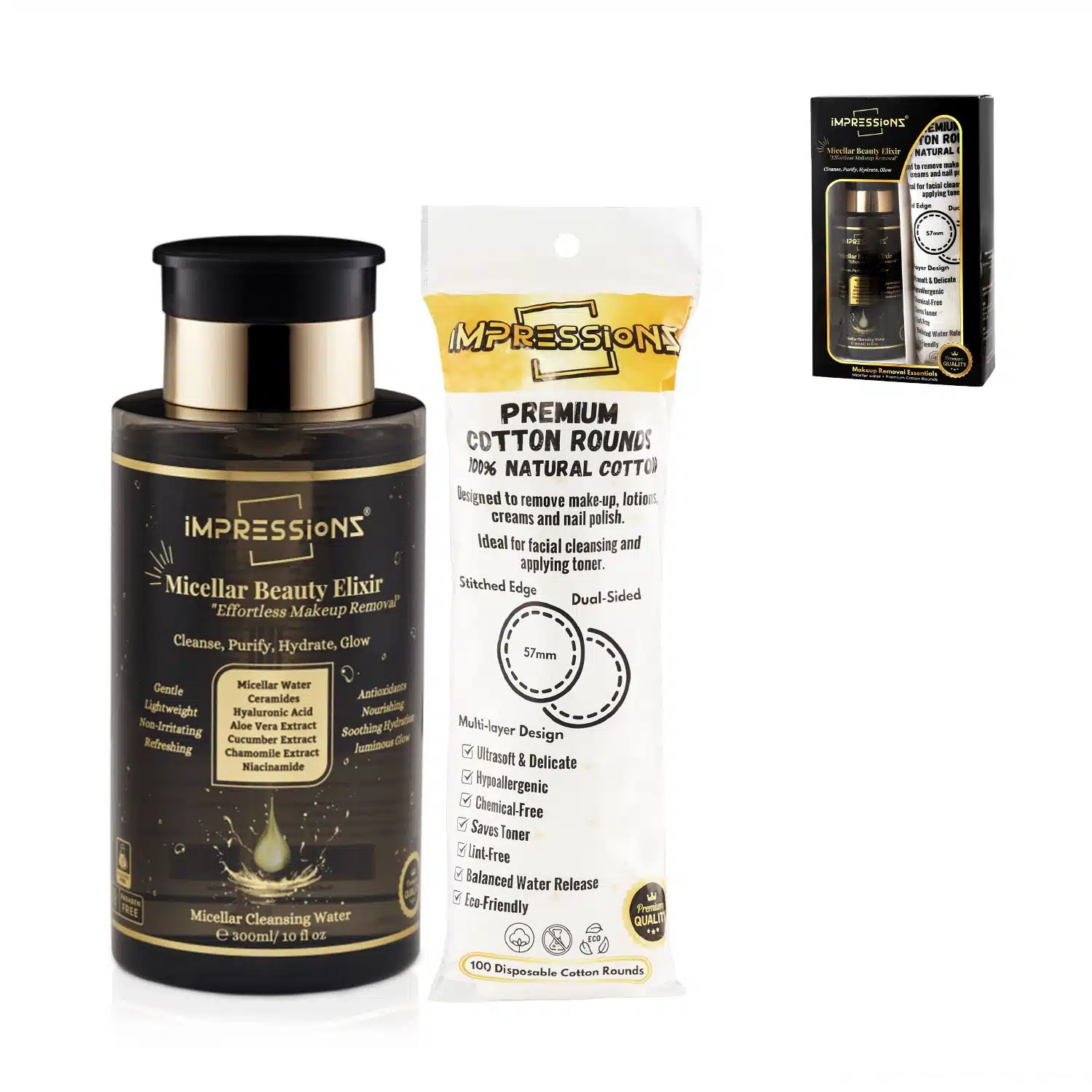
- Micellar Water Makeup Remover: Removes dirt, oil, and waterproof makeup without stripping or irritating.
- Foaming Cleanser (upcoming in line): Gentle, sulfate-free deep clean for balanced skin.
- Routine Strategy: Use Micellar Water AM + as a first step PM, followed by foaming cleanser for true double cleansing.
This way, you get instant comfort and long-term barrier health.
Frequently Asked Questions
Q1: Do I need to rinse micellar water?
Not required—but if you use it as a first cleanse before foaming, a rinse is fine.
Q2: Is micellar water enough for sunscreen removal?
Yes, but double cleansing with foam ensures no residue lingers.
Q3: Can foaming cleansers be gentle?
Yes—modern sulfate-free formulas are effective and barrier-friendly.
Q4: Should I double cleanse every day?
Only if you wear heavy makeup/SPF or live in a polluted city. Otherwise, adjust based on your skin’s needs.
Q5: Is double cleansing bad for sensitive skin?
Not if you use ultra-gentle micellar + non-stripping foaming cleansers.
Final Verdict: Micellar Water vs. Foaming Cleanser
In the debate of micellar water vs. foaming cleansers, the real winner isn’t one or the other—it’s both, used smartly.
- Micellar water = gentle prep.
- Foaming cleanser = deep clean.
- Together = balance, barrier health, and glow.
Morning: Micellar water for a refreshing cleanse.
Evening: Double cleanse (micellar + foam) for complete purification.
ImpressionZ® Micellar Water Makeup Remover makes the first step effortless—hydrating, soothing, and residue-free. Pair it with a gentle foaming cleanser for the ultimate cleansing duo.
👉 Protect your barrier. Respect your skin. Get the best of both worlds.
Related Articles
- Micellar Water & Cotton Rounds: The Perfect Duo for Radiant Skin
- How to Treat and Prevent Dull Skin: Restore Your Radiance
- Hydration vs Moisture: Why Your Skin Needs Both
- Morning vs Night Skincare Routine: What Matters Most?
- Build a Skincare Routine Step by Step for Every Skin Type
- Ingredient Compatibility in Skincare: What to Use & Avoid
- Say Goodbye to Dry Skin with ImpressionZ® Hydrating Face Moisturizer
Support & Information
- About ImpressionZ® – Our Story & Commitment
- ImpressionZ® Skincare & Beauty Blog – Latest Articles & Expert Advice
- ImpressionZ® Customer Reviews – Real Feedback & Trusted Results
- ImpressionZ® FAQ – All Your Questions Answered
- ImpressionZ® Loyalty Rewards Program – Earn Points & Exclusive Benefits
Follow ImpressionZ® on Social Media
- Subscribe to our YouTube channel
- Follow us on TikTok
- Follow us on Instagram
- Like us on Facebook
- Find us on Pinterest
Discover Effortless Cleansing – Shop ImpressionZ® Micellar Water & Essentials